
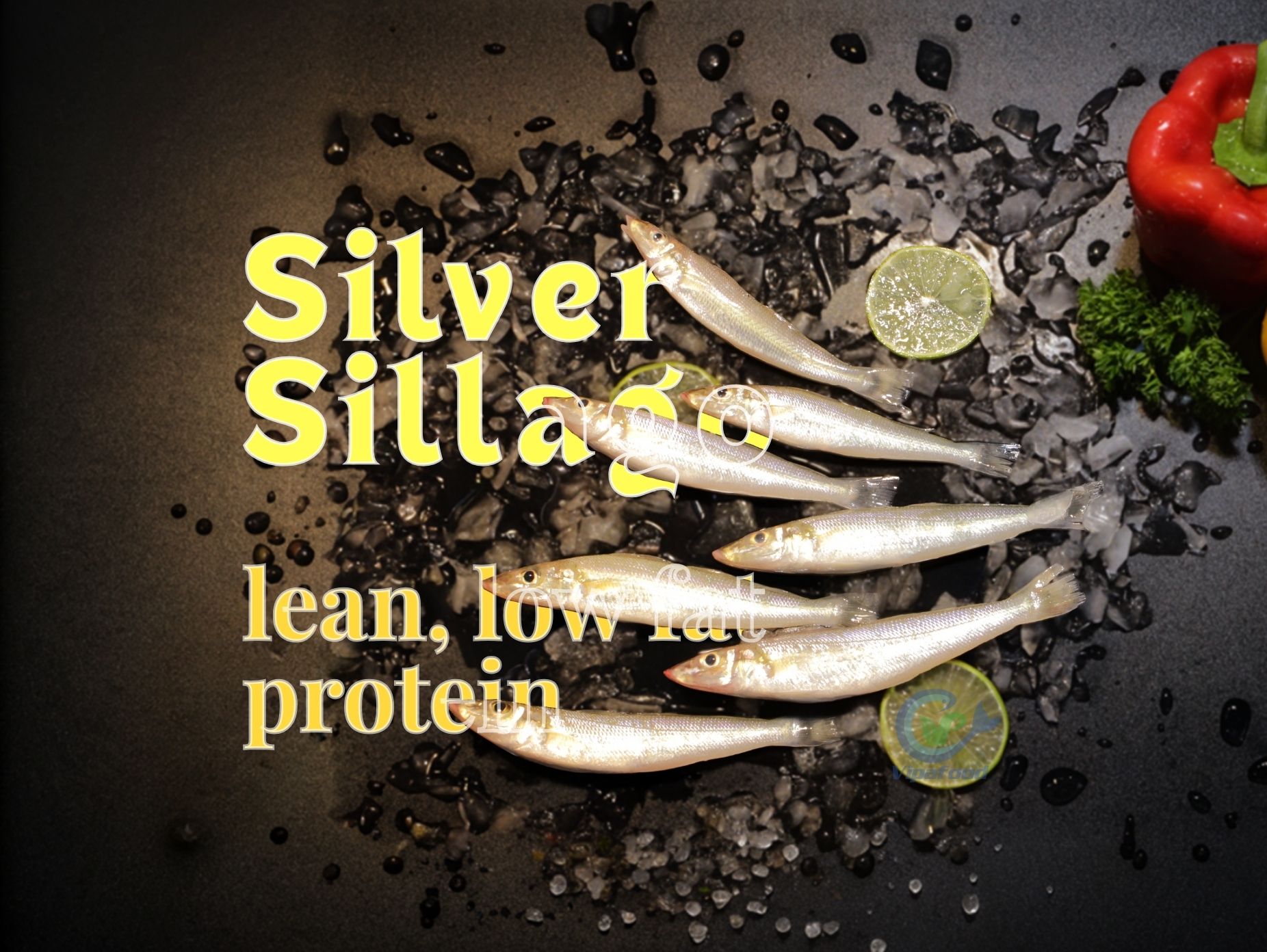
Discover Vietnamese Silver Sillago: Lean and Low‑Fat Protein Source
Silver sillago – also known as silver whiting, sillago sihama or northern whiting – is a beloved Indo-Pacific species prized for its clean flavor and impressive protein content despite its modest size. In Vietnam, this small and delicate fish is harvested along the central coastline, where its freshness and clean flavor have earned the trust of seafood lovers. Though modest in size, silver whiting delivers standout nutritional value: a naturally lean profile, high‑quality protein, and essential minerals that support everyday wellness. Vinh Phat Food’s sillago is a light, wholesome choice that fits beautifully into modern healthy‑eating lifestyles.
1. Silver Sillago Nutrition Facts
Silver whiting is a lean, protein‑rich seafood choice packed with essential minerals that support everyday wellness. Its mild flavor and light texture make it a favorite for healthy cooking. The nutrition table below highlights the key nutrients of silver whiting [1]:
| Nutritions | Value |
|---|---|
| Energy | 90 kcal |
| Protein | 18.3 g |
| — Leucine | 1.49 g (8% protein) |
| — Lysine | 1.68 g (9% protein) |
| — Glutamic acid | 2.73 g |
| Total lipid | 1.31 g |
| — Omega3 (EPA, DPA, DHA) | 0.242 |
| Selenium | 32.1 µg |
| Vitamin B-12 | 2.3 µg |
The nutrition table above shows just how nutrient‑rich silver whiting really is. But how do these nutrients actually benefit your family’s health? The insights below may surprise you and reveal why this small fish delivers such big value:
- High-quality protein: Provides complete protein with all essential amino acids, supporting muscle repair, growth, and overall health. Studies on wild Sillago sihama show that it offers high nutritional value thanks to its muscle composition—particularly its leucine content (about 8% of total protein), which plays a key role in muscle repair, growth, and preventing age‑related sarcopenia (a type of muscle loss). It is also rich in lysine, an essential amino acid that supports immune function.
- Low in calories and saturated fats: A heart-healthy choice, perfect for health-conscious consumers seeking lean proteins without excess fat.
- Moderate in omega‑3 fatty acids (DHA and EPA): Silver whiting provides a meaningful amount of heart‑healthy omega‑3s that support cardiovascular function, help reduce inflammation, and promote brain health. While its levels aren’t as high as oily fish like salmon, it’s still an impressive source for a lean white fish.
- Essential vitamins and minerals: Includes vitamin A, B vitamins, and minerals like calcium, phosphorus, and zinc, contributing to bone health, immune support, and metabolism.
But once we bring this nutritious fish into the kitchen, the big question is: how do we cook it without losing its goodness?
2. Smart cooking tips to preserve sillago’s nutrition value
While cooking can affect nutrient retention, each country approaches sillago differently and each culinary culture has developed its own way of protecting the fish’s protein quality and heat‑sensitive micronutrients. Japanese cuisine favors gentle, clean, nutrient‑friendly techniques; American cooking leans toward simple, practical, health‑focused methods; and Vietnamese cuisine brings a fresh, aromatic, and beautifully balanced approach. Together, they show how diverse cooking traditions can preserve the natural goodness of sillago in their own unique ways.
a. Japanese Techniques: Refined, Delicate, and Nutrient‑Preserving
Japanese cuisine is known for its gentle, respectful approach to seafood — and sillago (kisu) is no exception. By using light cooking methods that avoid high heat and overcooking, Japanese chefs preserve the fish’s lean protein, omega‑3 fatty acids, and delicate flavor. Here are some traditional techniques that keep its nutrients intact while bringing out its natural sweetness:
- Tempura: A whisper‑thin batter and quick frying technique seal in moisture while preventing overcooking. This method preserves sillago’s natural umami and delicate sweetness, delivering a crisp, airy exterior that highlights the fish’s refined flavor without compromising its nutritional value.
- Shioyaki (Salt‑Grilled): Lightly salted and grilled over moderate heat, this preparation maintains the fish’s protein structure and essential minerals. The gentle grilling enhances natural sweetness while keeping the flesh tender, clean‑tasting, and nutritionally intact.
- Steaming: One of the most nutrient‑respectful techniques, steaming preserves heat‑sensitive vitamins and sillago’s delicate texture. The fish remains moist, pure in flavor, and remarkably wholesome, making this method ideal for health‑focused, premium cuisine.
- Clear Broth (Osuimono) [4]: A refined Japanese approach where sillago is briefly simmered in a delicate dashi broth. Any nutrients that escape during cooking enrich the broth, creating a light, elegant dish that is both flavorful and nutritionally complete.
- Sushi / Sashimi: Served raw or lightly cured, sillago retains all of its natural nutrients, including omega‑3s and heat‑sensitive vitamins. This preparation showcases the fish’s purest flavor and texture, offering a clean, luxurious expression of its quality.
b. American Techniques: Contemporary, Clean, and Health‑Forward
American cuisine is known for its practicality, and that mindset carries into the way seafood is prepared. American home cooks often choose methods that are quick, convenient, and still mindful of nutrition, allowing sillago to retain its natural protein and health‑supporting nutrients while delivering clean, satisfying flavor in everyday meals.
- Baking: Baking sillago with steady, even heat helps preserve its delicate omega‑3 fatty acids while requiring no added oil. This method keeps the fish moist, clean‑tasting, and naturally nutritious, making it a simple yet health‑forward choice for everyday cooking.
- Air‑Frying: Air‑frying delivers a crisp, golden exterior with only a fraction of the fat used in traditional frying. The rapid circulation of hot air minimizes nutrient degradation, allowing sillago to stay light, flavorful, and surprisingly wholesome.
- Broiling: Broiling exposes sillago to intense, direct heat for a very short time, cooking the fish quickly while reducing nutrient loss. The result is a tender, flavorful fillet with a lightly caramelized surface and excellent protein retention.
- Poaching: Poaching gently simmers sillago in water or broth, keeping the flesh moist and nutrient‑dense. This low‑temperature method protects heat‑sensitive vitamins and omega‑3s, creating a clean, delicate dish ideal for health‑focused meals.
- Grilling: Quick grilling adds a subtle smoky character while maintaining the fish’s protein quality and natural juiciness. When done briefly over medium‑high heat, this method enhances flavor without compromising the nutritional value of sillago.
c. Vietnamese Techniques: Fresh, Fragrant, and Harmoniously Balanced
Known for its strong silver whiting industry, Vietnam celebrates silver sillago through cooking traditions that highlight its natural sweetness and delicate flavor. From everyday family dishes to long‑term preservation methods like aged‑dry, Vietnamese cuisine transforms this humble fish into a versatile ingredient enjoyed year‑round.
- Steaming with Ginger & Scallions: Steaming sillago with ginger and scallions gently cooks the fish while locking in moisture and heat‑sensitive nutrients. This method enhances natural sweetness with clean aromatics, creating a light, nourishing dish that preserves both flavor and nutritional integrity.
- Light Pan‑Frying: A quick pan‑fry over medium‑high heat forms a delicate crust while keeping the flesh firm and moist. Because the cooking time is short, most proteins and micronutrients remain intact, offering a flavorful yet health‑conscious preparation.
- Sour Soup (Canh Chua Cá Đục): This vibrant Vietnamese soup briefly simmers sillago with pineapple, banana flower, tomatoes, and herbs. The broth absorbs minerals, amino acids, and natural sweetness from the fish, creating a refreshing, nutrient‑rich dish perfect for everyday meals.
- Aged‑Dry (Khô Cá Đục): A traditional preservation method that removes moisture while concentrating flavor and increases the relative protein content. However, the process can accelerate lipid oxidation, which may reduce heat‑sensitive fats such as omega‑3 fatty acids [5]. Once dried, the fish develops a crisp, satisfying texture and becomes ideal for long‑term storage, quick cooking, and versatile meal preparation.
- Quick Stir‑Fry: High heat paired with very short cooking time keeps sillago tender while preserving protein quality. Aromatics and seasonings infuse quickly, creating a flavorful, nutrient‑friendly dish that fits perfectly into fast, modern cooking routines.
3. Bringing It All Together: The Essence of Sillago
Across every culinary culture, sillago remains a cherished source of clean, ocean‑fresh protein. Whether prepared with Japanese finesse, Vietnamese vibrancy, or American practicality, chefs around the world continue to innovate, finding new ways to preserve its freshness, flavor, and nutritional integrity. This diversity of techniques only highlights the remarkable versatility of sillago and its natural appeal.
If you’re ready to bring premium, sustainably sourced sillago to your kitchen or business, choose Vinh Phat Food – your trusted partner for quality seafood, from the sea to the table. Explore our full range today and experience the difference that true freshness makes:
References
- USDA FoodData Central, Fish, whiting, mixed species, raw, https://fdc.nal.usda.gov/food-details/173713/nutrients
- USDA FoodData Central, Fish, whiting, mixed species, cooked, dry heat, https://fdc.nal.usda.gov/food-details/175161/nutrients
- NOAA Fisheries, Pacific Whiting, https://www.fisheries.noaa.gov/species/pacific-whiting
- Recipe Tin Japan, Japanese Clear Soup with Whiting (Kisu no Osuimono), https://japan.recipetineats.com/japanese-clear-soup-with-whiting-kisu-no-osuimono/
- Fitri N, Chan SXY, Che Lah NH, Jam FA, Misnan NM, Kamal N, Sarian MN, Mohd Lazaldin MA, Low CF, Hamezah HS, Rohani ER, Mediani A, Abas F. A Comprehensive Review on the Processing of Dried Fish and the Associated Chemical and Nutritional Changes. Foods. 2022 Sep 20;11(19):2938. doi: 10.3390/foods11192938. PMID: 36230013; PMCID: PMC9562176.




Leave a Reply